Conventional and pump systems in Goodwater
Conventional and pump systems service Experts
Expert design and installation of conventional and pumped septic systems for homes and small developments.
Reliable Conventional and pump systems Service Built to Last for Decades
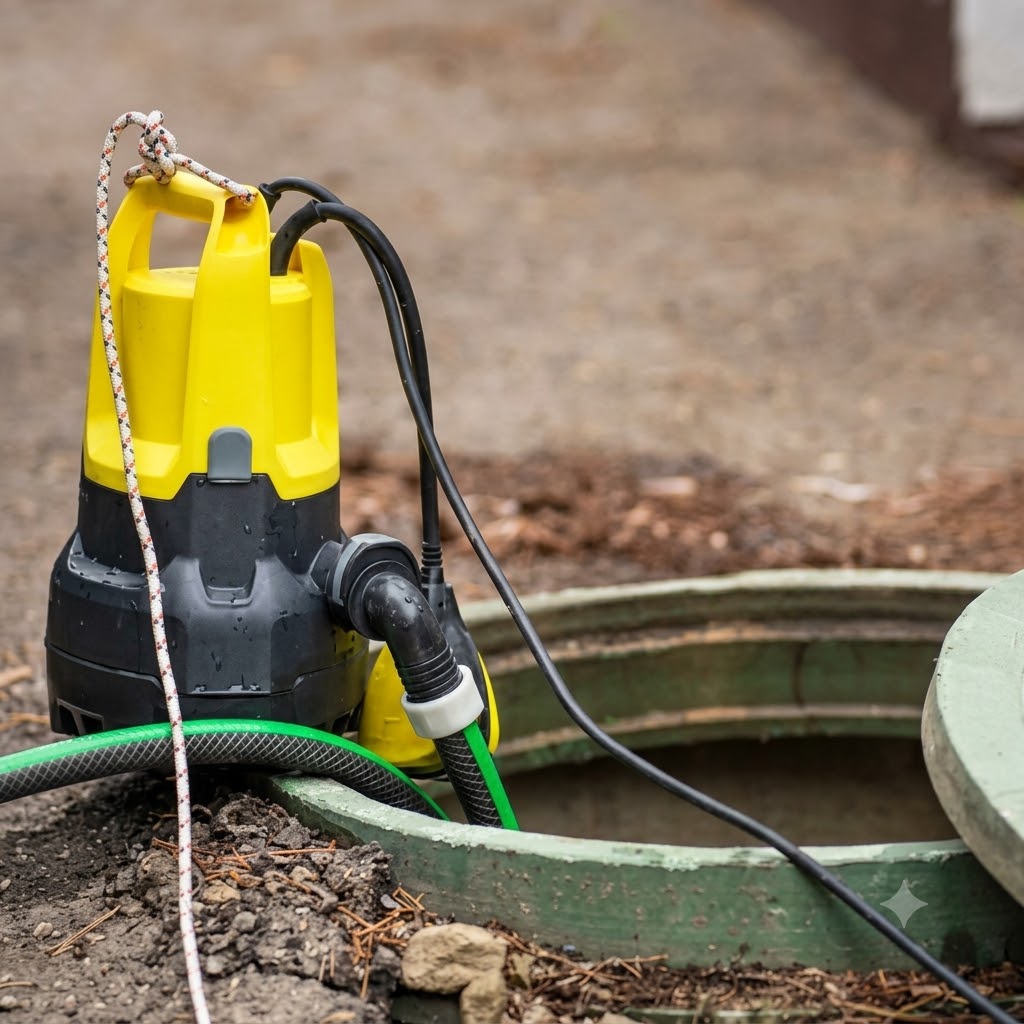
Not every lot drains the same way, and forcing a standard gravity setup onto ground that can't support it is one of the fastest ways to end up with a failed drain field. Our Conventional and pump systems service is built around matching the right technology to your actual property, not defaulting to whatever's cheapest to install. Whether your lot slopes the wrong way, sits on tight soil, or drains beautifully on its own, our licensed technicians evaluate the terrain first and design a system around it, from a straightforward conventional layout to a fully engineered pump-assisted setup.
Every property gets the same level of scrutiny from our team, whether it's a single-family home or a larger commercial site. Why settle for a system that fights your property's natural drainage instead of working with it? Reach out to our local team today for a setup engineered around your land, not a one-size-fits-all template.
Why Conventional and pump systems Matters for Your Home
Choosing the wrong system type for your property is one of the most common, and most expensive, mistakes in septic work. A conventional gravity system installed on a lot with the wrong slope or elevation will eventually struggle to move wastewater properly, while a pump system installed where it isn't actually needed adds unnecessary cost and complexity. Getting this decision right from the start protects your property in several important ways:
Matches the system to your soil and terrain, so wastewater actually reaches the drain field the way it's designed to
Prevents premature drain field failure caused by forcing gravity flow on ground that can't support it
Keeps your groundwater protected by following proper percolation and setback standards for whichever system type fits your lot
Avoids the added expense of retrofitting a pump system after a conventional install has already failed
Keeps your property compliant with local health department requirements for your specific soil and elevation conditions
Getting the system type right the first time means your yard stays usable and your septic system stays out of your daily thoughts for decades.
Proven Conventional and pump systems Success Across the Region
We've installed and maintained both conventional and pump-assisted systems on properties ranging from flat suburban lots to steep, wooded acreage. Here's a look at where our team has recently put this expertise to work:
Goodwater : We engineered a conventional system for a wooded, gently sloped lot, positioning the drain field to make the most of the property's natural drainage.
Kellyton : Our crew swapped out an aging gravity system for a pump-assisted setup after the original layout could no longer keep up with the household's needs.
Rockford : From routine pump-tank servicing to full conventional inspections, we've kept both system types running reliably for property owners throughout the area.
Equality : We designed a pump system for a property where tighter soil conditions made standard gravity drainage unreliable.
Alexander City : Our team installed a pump-assisted setup on a lot where the terrain made a conventional drain field impossible to place safely.
Dadeville : We serviced a commercial property's pump system, making sure it could handle real daily usage instead of just scraping by.
New Site : Lakefront lots near Lay Lake often call for pump systems to meet setback requirements, and our crews have handled several installs that fit tight lakeside lots without cutting corners.
Lake Martin : We replaced an outdated pump system on a lakefront property whose original setup had been struggling with rising water levels for years.
Sylacauga : Our team has maintained both conventional and pump-assisted systems across a wide mix of property types and household sizes.
Childersburg : We coordinated a full pump system installation for a property where standard gravity drainage simply wasn't an option.
What Our Conventional and pump systems Service Covers
Choosing between a conventional and a pump-assisted setup isn't a coin flip, it's a decision based on real site data. Our technicians evaluate every property individually before recommending a direction. Our Conventional and pump systems services address:
Soil and terrain evaluation to determine whether gravity flow or a pump system is the right fit
Design and installation of conventional gravity-fed drain fields
Design and installation of pump (lift) systems for properties where gravity flow isn't practical
Routine maintenance and inspection for both conventional and pump-assisted setups
Pump tank servicing, including float switch checks and pump replacement when needed
Troubleshooting for systems that are underperforming or showing early warning signs
Retrofitting a failing conventional system with a pump-assisted solution when the terrain demands it
Documentation and inspection records for whichever system type your property relies on
Our team pairs real site evaluation with practical system design, so you end up with the setup your property actually needs rather than whatever's fastest to install.
Site Evaluation for Reliable Installations
Every lot drains differently, and skipping a real evaluation is exactly how properties end up with the wrong system type. Before recommending conventional or pump-assisted, our technicians assess your soil composition, water table depth, and terrain to determine what your property can genuinely support. This groundwork is what allows us to steer you toward the system that will actually perform well long-term, instead of defaulting to whichever option is quicker to install.
Permitting & Design for Confident Installations
Both conventional and pump-assisted systems are regulated installations, and the permitting process differs depending on which type your property needs. Before any work begins, our team handles the necessary paperwork with your local health department, using your soil evaluation results to design a system that meets code from day one. That documentation protects you later, whether during a future sale, a bank inspection, or simply confirming your system was built to standard.
Specialized Conventional and pump systems for Outdoor & Lakefront Properties
Lakefront lots, wooded acreage, and properties with challenging terrain are exactly where the choice between conventional and pump-assisted systems matters most. Tighter setback requirements near water, uneven grading, and limited usable space often rule out a standard gravity layout altogether. We bring the same detailed evaluation to these properties that we bring to any standard install, paying close attention to site-specific restrictions and making sure the system we design will hold up to the property's unique demands over the long run.
The Trusted Choice for Conventional and pump systems
Property owners throughout Goodwater, Kellyton, Rockford, and the surrounding area count on our team whenever a property calls for something beyond a basic gravity setup. Choosing the right system type protects your property value, keeps your yard functional, and gives you decades of dependable service. When it's time to figure out whether your property needs a conventional or pump-assisted system, our licensed and fully equipped team is ready to walk you through it.
Why a Quality Installation Matters Long-Term
A conventional or pump system you never have to think about is the clearest sign it was matched to your property correctly. The properties that end up with recurring pump failures, soggy drain fields, or backed-up plumbing are almost always the ones where the wrong system type was forced onto ground that couldn't support it. Getting the decision right from the start means fewer emergency calls, lower long-term maintenance costs, and a system that quietly does its job for decades.
What Our Installation Team Handles From Start to Finish
Our process covers the full timeline for either system type: initial site walkthrough, soil and percolation testing, permit filing with your local health authority, system design suited to your terrain, excavation and installation, and final inspection. For pump-assisted systems, that also includes proper placement and wiring of the pump itself, along with float switch calibration to keep the system running reliably.
Signs You Need a New Conventional and pump systems
If your current gravity system is struggling to keep up, showing signs of saturation, or simply wasn't designed for your property's terrain, it may be time to look at a pump-assisted alternative. A drain field that stays soggy no matter the season, a pump that's cycling constantly or failing outright, or a system that was never actually suited to your lot's elevation are all strong signs that it's worth having the setup reevaluated.
Why Homeowners Choose Us for Conventional and pump systems
Licensed, background-checked technicians experienced with both conventional and pump-assisted setups
Full soil and terrain evaluation before recommending a system type
Permitting handled directly with your local health department
Upfront, transparent pricing before any work begins
Local crews who understand the terrain and soil conditions specific to the region
Satisfaction guarantee on every installation and repair
What Affects the Cost of a Conventional and pump systems?
Every property is different, and pricing depends on several factors we evaluate during your initial site visit:
Soil conditions — poor percolation often points toward a pump-assisted design rather than conventional
System type — pump-assisted setups typically involve more components and cost more than a standard conventional layout
Property size and terrain — sloped or heavily wooded lots usually require more design work and excavation
Household size — larger households need larger tanks and, in some cases, more robust pump capacity
New construction vs. replacement — swapping an existing system for a different type may involve removal costs that a first-time install wouldn't
We always provide a clear, upfront estimate after your site evaluation, no surprise charges, and no pressure to install more system than your property genuinely needs.
Frequently Asked Questions about Conventional and pump systems
How do I know if I need a conventional or pump system?
It comes down to your property's soil, elevation, and terrain. A site evaluation will show whether gravity flow can reliably move wastewater to the drain field, or whether a pump is needed to get the job done.
Are pump systems more expensive to maintain than conventional systems?
Generally, yes, since a pump system has more moving parts, including the pump itself and float switches, that need periodic checks. That said, a properly sized pump system usually costs less over time than a conventional system straining against terrain it was never suited for.
Can a conventional system be converted to a pump system later?
In many cases, yes. If a conventional layout is struggling due to elevation or drainage issues, we can often retrofit it with a pump to resolve the problem, though a full site evaluation is needed to confirm feasibility.
How often does a pump system need servicing?
Pump systems generally need more frequent checks than conventional setups, since the pump and float switches are mechanical components that can wear out. We recommend routine inspections to catch issues before they cause a backup.
What happens if my pump system fails?
A failed pump typically means wastewater can't reach the drain field, which can lead to backups fairly quickly. If you notice a pump that's not cycling properly or a system that seems to be struggling, it's worth having it inspected right away before it turns into a bigger problem.
Services We Offer Aside From Conventional and pump systems
SEE WHAT OUR CUSTOMERS SAY ABOUT US
REVIEWS
REVIEW US ON GOOGLE
our process
Our process is simple and only contains a few steps
proudly serving these areas
Goodwater
Kellyton
Rockford
Equality
Alexander City
Dadeville
New Site
Lake Martin
Sylacauga
Childersburg
Eclectic
Wetumpka
Ashland
Lineville
READY TO take the next step?
get a free quote TODAY!

business
our services
service areas
operating HOURS
Monday: 7:00 AM - 5:00 PM
Tuesday: 7:00 AM - 5:00 PM
Wednesday: 7:00 AM - 5:00 PM
Thursday: 7:00 AM - 5:00 PM
Friday: 7:00 AM - 5:00 PM
Saturday: 7:00 AM - 5:00 PM
Sunday: Closed


© 2026 S&S Septic and Dirt Work